
Want a verse on every screen? Psalmo is free.
How to Use the Bible to Stop Phone Addiction (2026)
The average American unlocks their phone 96 times a day. That adds up to 4 to 6 hours of daily screen time, carved from sleep, prayer, real conversations, and work. Digital-detox apps and screen-time limits have a weak track record on their own — people disable them within days. But using the Bible to stop phone addiction takes a different approach: it plants a positive anchor instead of just a restriction. When Bible reading becomes the gate to the apps pulling you in, the whole pattern shifts.
To use the Bible to stop phone addiction, pair daily scripture with a behavioral gate: read one verse before opening distracting apps. Psalmo automates this by pausing Instagram, TikTok, and YouTube until today’s verse is read. On its own, you can add a verse widget to your home screen and set a fixed morning reading time before touching social apps.
Why Phone Addiction Is So Hard to Break (and What Scripture Names)
Phones aren’t addictive by accident. Apps like Instagram and TikTok are engineered around variable rewards, the same brain mechanism behind slot machines. Every scroll might deliver something interesting, and that uncertainty keeps you coming back. The American Psychological Association identified problematic smartphone use in 31% of adults in 2024, with the highest rates among people who check their phone within 5 minutes of waking.
Scripture has a name for what variable-reward scrolling produces: divided attention. Philippians 4:8 instructs believers to fix their minds on what is true, honorable, just, pure, lovely, and commendable, a direct counter to the randomized content stream. First Corinthians 6:12 (KJV) draws the line precisely: “All things are lawful unto me, but all things are not expedient: all things are lawful for me, but I will not be brought under the power of any.” The Greek word translated “power” is exousiazō (to be controlled by, to fall under the authority of). Phone addiction, by that definition, is a spiritual problem as much as a behavioral one. Proverbs 4:23 adds the protective instruction: “Keep thy heart with all diligence; for out of it are the issues of life” (KJV). The phone is the gate to the heart for millions of people. Bible practice addresses it at exactly that level.
This is why timer-only approaches tend to fail. They restrict access without replacing what the phone was providing: stimulation, connection, a sense of being current. Bible reading, placed deliberately at the same entry point, supplies a different kind of anchor, one that works with the brain’s need for a daily ritual rather than against it.
5 Ways to Use the Bible Against Phone Addiction
1. Read one verse before your first app of the day
The first phone interaction sets a tone for every one that follows. Most people reach for Instagram or TikTok within 3 minutes of waking, before the prefrontal cortex (the planning and judgment center) is fully online. A single verse first, even 30 seconds, pulls a different thread through your morning. Over 30 days, that compounds into a real shift in how you start the day.
2. Add a Bible verse widget to your home screen
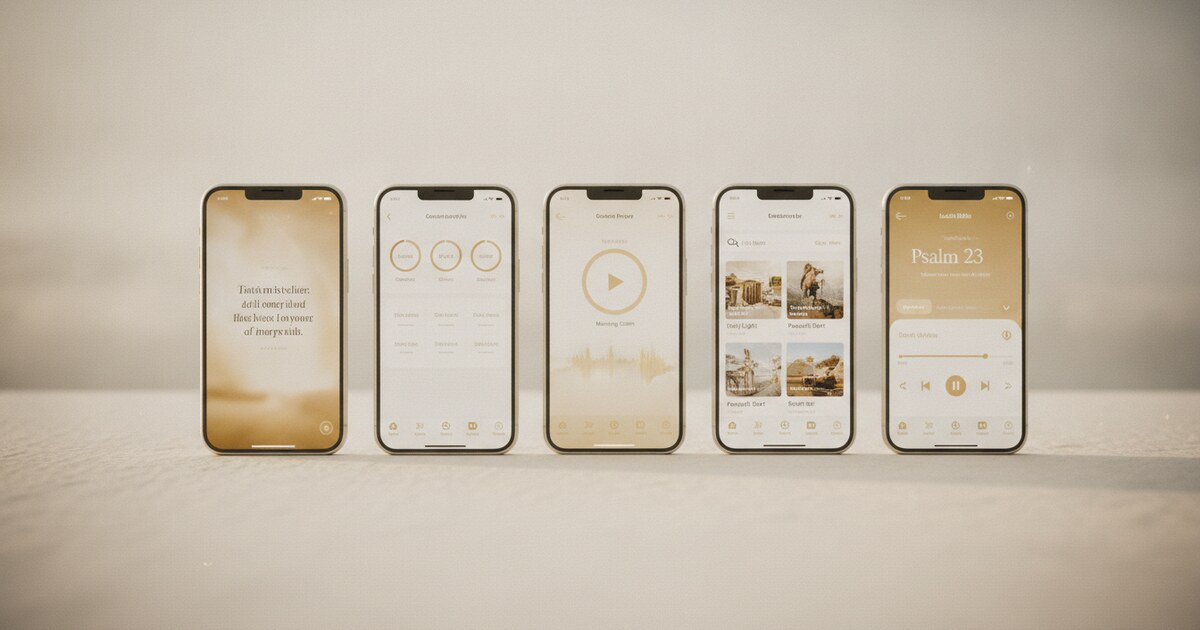
A verse widget on your home screen means scripture is the first thing you see when you unlock your phone, not a notification count or a bright social-app icon. Psalmo’s small, medium, and large home-screen widgets show today’s verse, rotate daily at midnight (or hourly if you prefer), and come in 15+ themes. The visual interruption matters: it makes you pause before the apps do.
3. Use an app gate: read the verse, then open the app
This is the behavioral mechanism with the biggest impact. Rather than just having a verse visible, you commit to reading it before unlocking a gated app. Psalmo does this automatically: Instagram, TikTok, X, YouTube, and Snapchat stay paused until today’s verse has been opened and read. Once read, they unlock for the rest of the day. It requires one act of intentionality per day, which is sustainable in a way that an all-day blocker usually isn’t.
For a comparison of apps that use this approach, see our guide to Christian apps for phone addiction.
4. Choose verse categories that match your specific struggle
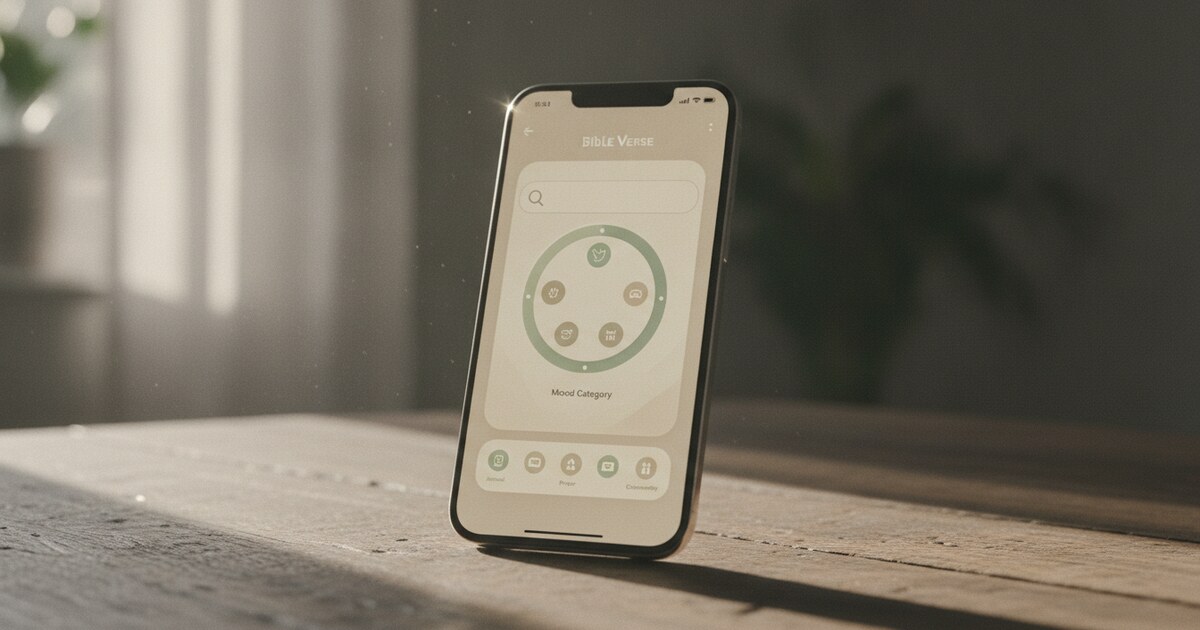
Phone addiction doesn’t have one root. Some people scroll out of anxiety. Others from boredom, loneliness, or procrastination. Psalmo’s 15+ verse categories include Peace & Anxiety, Work & Purpose, Wisdom, and Evening Verses. Matching the category to the underlying pull gives the scripture practical traction: you’re addressing what’s actually driving the behavior, not just restricting access to it.
5. Set a weekly review point
Once a week, open your screen-time report and sit with one verse before closing the app. Psalm 90:12 (KJV) — “So teach us to number our days, that we may apply our hearts unto wisdom” — is a useful anchor for this review. The goal isn’t guilt. It’s pattern awareness with a theological frame: what did you spend your attention on, and what would you want to change?
Bible Passages That Address Phone Addiction Directly
There are no verses with “phone” in them. But several address the underlying dynamics with precision.
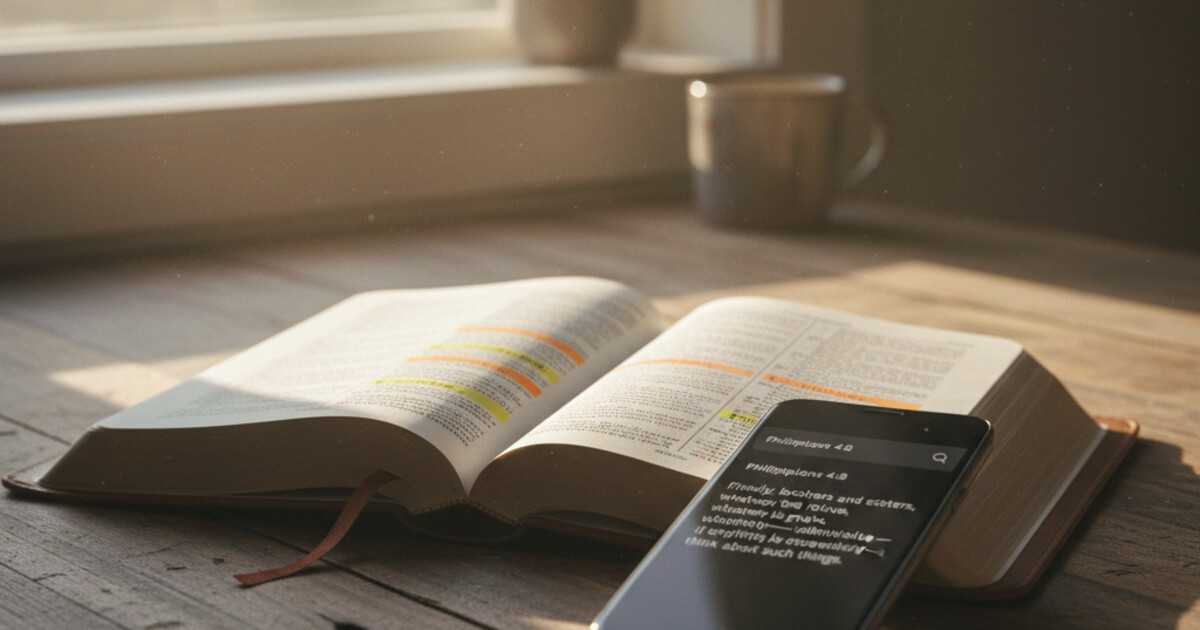
Philippians 4:8 (KJV): “Whatsoever things are true, whatsoever things are honest, whatsoever things are just, whatsoever things are pure, whatsoever things are lovely, whatsoever things are of good report; if there be any virtue, and if there be any praise, think on these things.” Run your feed through this filter. Most of it fails immediately.
1 Corinthians 6:12 (KJV): “All things are lawful unto me, but all things are not expedient: all things are lawful for me, but I will not be brought under the power of any.” Social apps aren’t wrong. But “brought under the power of” is exactly what addiction means.
Proverbs 4:23 (KJV): “Keep thy heart with all diligence; for out of it are the issues of life.” What you let stream in front of you daily shapes what comes out of you. The verse functions as a content policy.
Psalm 16:11 (WEB): “You will show me the path of life. In your presence is fullness of joy. In your right hand there are pleasures forevermore.” The phone promises pleasure. This verse points to where lasting pleasure actually lives.
Matthew 6:21 (KJV): “For where your treasure is, there will your heart be also.” Screen-time data is a treasure map. It shows where your attention actually lives, not where you wish it lived.
How Psalmo Connects Scripture to App Blocking
Most Bible apps are reader-first: you open them intentionally, then close them and return to the phone. Psalmo is wired differently. It puts scripture in front of you through widgets (visible without opening anything) and then gates the apps you’d otherwise open automatically.
The combination addresses two separate failure points. The widget covers passive drifting: you see scripture even when you didn’t intend to seek it. The app gate covers deliberate but habitual opening: you’ve committed to a brief reading before access is granted.
Setting it up takes under 5 minutes. For the full step-by-step iPhone setup, see our guide to adding a Bible verse widget to your iPhone.
Psalmo works on both iOS and Android, which matters for households where both platforms are in use. The lock-apps feature uses iOS Screen Time API on iPhone and Android Digital Wellbeing on Android. Neither platform gets a workaround.
Building a Bible Habit That Outlasts the First Week
Most phone-addiction interventions fail by week 2. The dopamine pull is real, and restriction without replacement doesn’t hold.
A few adjustments that change the math:
Start with one app. Gate Instagram or TikTok, not every app on your phone. Overrestriction creates pressure that eventually snaps. One gate, one verse, one daily decision.
Use the streak as feedback, not pressure. Psalmo shows a streak counter for daily verse readings. The goal is a streak that feels like evidence of growth, not a number you’re afraid to break. Miss a day. Start again without drama.
Pair the verse with something physical. Put the phone on the table, pick up coffee, and read. The physical ritual matters. It pulls the verse off the screen and into a real moment in your morning.
For a broader look at how Christians are using app blockers alongside scripture practice, our guide to the best Bible app to reduce screen time covers the full landscape in 2026.
Frequently Asked Questions
Can the Bible actually help with phone addiction?
Yes, in a specific way. Scripture works as both a mindset anchor and a behavioral gate. Reading a verse before opening a distracting app builds a deliberate pause into a habit that’s otherwise automatic. Over time, that pause carries real weight. It’s not a clinical intervention, but for many Christians it’s the piece that makes the behavioral tools actually stick.
What verse should I start with if I’m beginning today?
Philippians 4:8 is the clearest single verse for phone addiction. It gives you a content filter (true, honorable, just, pure, lovely, commendable) and asks you to apply it to what you consume. One reading of that verse before opening your phone changes how you look at the first post you see.
Does Psalmo require reading the whole Bible each day?
No. Psalmo delivers a single daily verse. You read one verse, then your gated apps unlock. That’s the full daily commitment. There’s no reading plan, chapter count, or progress tracker. The simplicity is intentional.
What apps can Psalmo block until I read the verse?
Psalmo can gate Instagram, TikTok, X, YouTube, and Snapchat. You pick which ones to gate from inside the app. Gate all five, gate one, or gate none. The gate resets at midnight each day.
Does this work on Android phones?
Yes. Psalmo is available on both iOS and Android. The app-blocking mechanism uses Android’s Digital Wellbeing API on Android and iOS Screen Time API on iPhone. The verse widget is available on Android home screens in three sizes: small, medium, and large.
Stopping phone addiction with the Bible starts with one verse, one gate, one day. Pick one app you reach for automatically and read a verse before you open it. A week of that changes the pattern. Psalmo automates the gate so you don’t have to remember: download it free for iOS and Android at psalmo.app.