

Want a verse on every screen? Psalmo is free.
Sanctum App Review: Sacred Pause vs. Bible Widgets (2026)
Sanctum entered the Christian screen-time space with a different premise from the verse-gate apps that came before it. Where Bible Mode, FaithLock, and Psalmo ask you to read a Bible verse before unlocking Instagram or TikTok, Sanctum adds a mindfulness layer to the moment: a breathing exercise, an AI-generated prayer, or a mood check-in tied to what it calls the Sacred Pause. The idea is less hard blocker and more micro-retreat: turn the compulsive app-open into a brief spiritual moment.
The app runs on both iOS and Android, which already sets it apart from several iOS-only competitors. It leans heavily on AI for prayer and reflection content. And it ships without home-screen or lock-screen widgets of any kind. Whether that combination works depends almost entirely on what kind of friction you actually want.
Sanctum is a cross-platform Christian mindfulness app built around the Sacred Pause, a short prayer interstitial that appears before gated apps open. The AI-generated prayers work but grow repetitive over time, the paywall surfaces early, and there are no Bible widgets. For users who want verse-first discipline and always-visible Scripture across iOS and Android, Psalmo is the stronger fit.
What Is the Sanctum App?
Sanctum is a faith-based screen-time and prayer app for iOS and Android. Its core feature is the Sacred Pause: open a gated app (Instagram, TikTok, YouTube, Snapchat, or X), and the gate screen appears before the app loads. The pause prompts a short breathing sequence, an AI-generated prayer matched to your chosen spiritual theme, or a mood log for the app’s Mood Altar feature. Complete the prompt and the gate clears. It resets at midnight by default.
A second feature, Mood Altar, lets you log how you’re feeling and receive a prayer generated to fit that emotional state. Sanctum’s AI generates these prayers fresh rather than cycling through a fixed library, which gives the experience a responsive feel. The AI also powers an “Ask about faith” feature in premium tiers, functioning as a conversational assistant with contextual prayer and Scripture suggestions.
Sanctum competes in a category that expanded fast. In 2022, two apps gated social media behind faith content: Bible Mode and FaithLock, both iOS-only. By mid-2026 that count reached 7 apps, with Sanctum and Psalmo as the two cross-platform builds in the group. Pew Research 2024 found 62% of U.S. adults identify as Christian and 45% pray daily. DataReportal 2025 puts average American screen time at 4 hours 37 minutes per day. IDC 2023 found 79% of smartphone users check their phone within 15 minutes of waking. That gap between prayer intent and scroll behavior is the market Sanctum builds into. Its AI-prayer model distinguishes it from verse-curation approaches like Psalmo, which draws from KJV and WEB translations, but the distinction cuts both ways: more variety in the generated text, less consistency in the theological grounding. Sanctum’s cross-platform availability adds real value in a category where Android users have historically had fewer reliable options.
How the Sacred Pause Works
When you tap a gated app, Sanctum intercepts the launch at the system level using Apple’s Family Controls API on iOS and Android’s accessibility services on Android. The pause screen appears over the app-open animation.
The pause runs for a configurable window (typically 10 to 30 seconds) and prompts one of three interactions:
- A box-breathing guide with a visual inhale-hold-exhale cycle
- A short AI-generated prayer tied to a theme you’ve selected in settings
- A mood log that feeds the Mood Altar
Once the prompt completes, the gated app opens normally. The gate resets at midnight. You can configure which apps are gated, which prompt type appears, and how long the pause runs.
The mechanic is gentler than what Psalmo or Bible Mode use. Those apps present a specific verse and require active engagement before unlocking. Sanctum’s pause is a friction moment rather than a reading gate. Some users find that difference matters: soft friction still builds habit. Others find it doesn’t hold when the scroll impulse is strong, since completing a 10-second breathing animation carries less psychological weight than reading and absorbing a Scripture passage.
The gate works on the same technical foundation as the rest of the category. It’s worth knowing that Android accessibility-service blockers can behave differently across manufacturers: Samsung’s battery optimization, for example, can revoke background permissions that the gate depends on. Sanctum hasn’t generated the same pattern of Play Store bug reports that some Android competitors have, but the platform challenge is real for any app in this category.
The Mood Altar and AI Prayer Generation
The Mood Altar is Sanctum’s most distinctive feature. Open the app, pick a mood from a short list (grateful, anxious, hopeful, tired, overwhelmed, or similar states), and Sanctum generates a short prayer framed around that emotional state. The prayer pulls in a relevant Scripture reference and closes with a brief affirmation.
The generation works smoothly on a first use. The prayer feels personal and contextual. Over weeks of use, the structural pattern becomes visible: similar opening lines, similar Scripture placement, similar closings. Users who want the specific cadence of curated KJV text, or who prefer a fixed library they can memorize and return to, find the AI output thin over repeated contact.
The AI also powers an “Ask about faith” feature in premium tiers. You can ask questions, get Scripture-grounded responses, and generate prayers for specific situations. The functionality is similar in concept to Psalmo’s AI features (“Write a prayer for me,” “Find a verse for my situation,” “Explain a Bible verse”), but Sanctum’s conversational scope is broader and its depth depends on which premium tier you’ve unlocked.
Premium access arrives early in the Sanctum experience. Several Mood Altar categories and the deeper AI features sit behind a subscription. The free tier covers the basic Sacred Pause gate and a subset of mood categories. You encounter the paywall before you’ve had enough time with the app to evaluate whether the premium layer is worth the cost.
Where Sanctum Falls Short
Three gaps show up consistently for users who stay with Sanctum past the first week.
The first is widgets. Sanctum ships no home-screen or lock-screen widgets. The Sacred Pause appears only when you open a gated app. Outside of that trigger, Sanctum has no screen presence at all. If you want Scripture visible on your phone through the day, you’d need a separate widget app running alongside Sanctum. That’s a different workflow from apps that bundle both.
The second is verse consistency. Sanctum’s prayer generation is AI-driven rather than drawn from a curated Scripture library. Users who specifically want KJV or WEB language, or who want to receive the same well-considered verse each day rather than generated text, find the AI output imprecise. The Scripture references Sanctum’s AI selects are usually reasonable but chosen with less theological care than an edited library provides.
The third is paywall pacing. The free tier is usable but narrow. The paywall appears early, which makes it hard to evaluate Sanctum honestly before you’re asked to commit to a subscription. Some competing apps give you the full gate mechanic on the free tier before surfacing premium features. Psalmo’s free tier covers the app-blocking gate and the full KJV and WEB verse library on both platforms.
Sanctum vs. Psalmo: Which One Fits You?
The choice comes down to what kind of discipline you want.
Sanctum suits users who already have a prayer practice and want technology that integrates into it. The Sacred Pause and Mood Altar work well as soft, spirituality-adjacent friction. If breathing exercises and mood-matched prayers are the habit you’re building, Sanctum fits that intention and the cross-platform availability is a genuine plus.
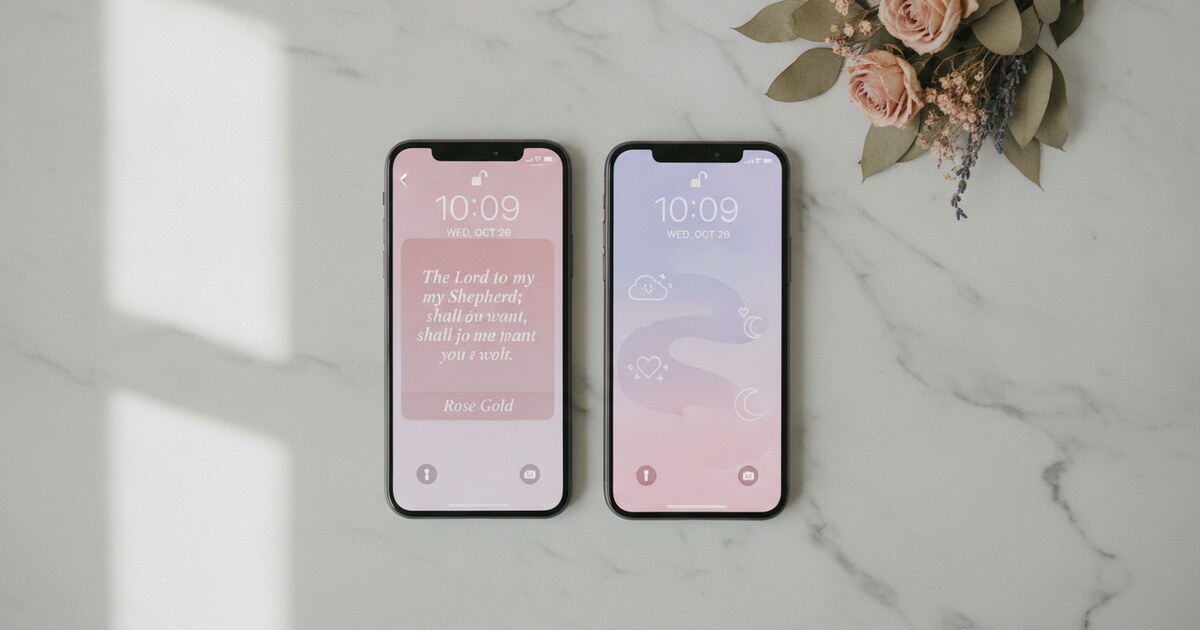
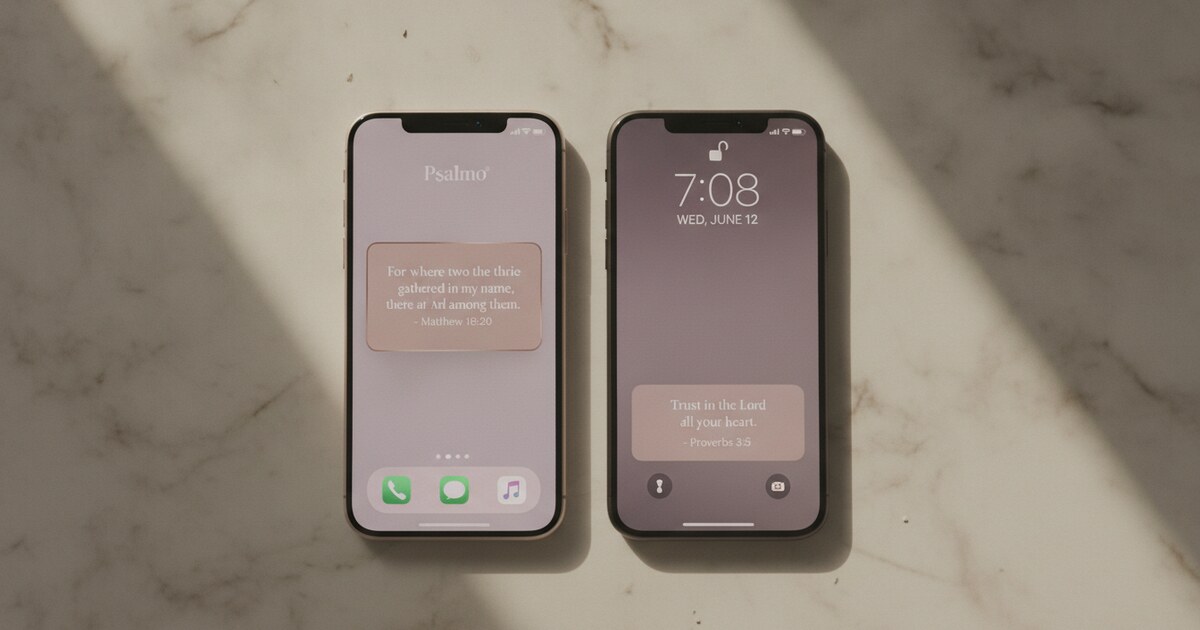
Psalmo takes the harder stance. It gates apps behind a specific curated Bible verse (KJV or WEB) and requires you to read it before unlocking. The verse comes from your chosen category (Faith, Peace and Anxiety, Strength and Courage, and 12 others). Home-screen widgets in three sizes and lock-screen widgets for iOS 16+ keep that verse visible all day, so the Scripture you read to unlock an app is the one you’ve been seeing since you picked up your phone. The free tier includes the app-blocking gate and the full verse library on both iOS and Android.
Here’s how the two apps compare across the features that matter most:
| Sanctum | Psalmo | |
|---|---|---|
| Platform | iOS + Android | iOS + Android |
| App gate mechanic | Sacred Pause (soft friction) | Verse read (hard gate) |
| Content source | AI-generated prayers | Curated KJV/WEB verses |
| Home-screen widgets | None | 3 sizes (small, medium, large) |
| Lock-screen widgets | None | iOS 16+ (rectangular, circular, inline) |
| Free tier covers gate | Yes (basic) | Yes (full gate + full verse library) |
| AI prayer features | Core feature (some behind paywall) | Premium add-on |
For a broader comparison across all 7 apps in this category, the best Christian app blocker roundup for 2026 covers them side by side with honest assessments of each. And if you’re weighing cross-platform options with similar pricing structures, the Pray Screen Time review covers the most direct comparable on the prayer-first side of the category.
Frequently Asked Questions
What is the Sanctum app?
Sanctum is a cross-platform Christian mindfulness and app-gate app for iOS and Android. Its Sacred Pause feature inserts a short breathing exercise, AI-generated prayer, or mood check-in before gated social media apps open. It also includes a Mood Altar for mood-linked prayer suggestions and an AI faith assistant in premium tiers.
Does Sanctum have Bible verse widgets?
Sanctum doesn’t include home-screen or lock-screen widgets. The Sacred Pause appears only when you open a gated app. If you want a Bible verse visible on your home screen or lock screen throughout the day, you’d need a separate widget app alongside Sanctum, or an app like Psalmo that bundles the gate and widgets together.
Is the Sanctum app free?
Sanctum has a free tier covering the basic Sacred Pause gate and a subset of Mood Altar categories. Several mood categories and deeper AI prayer features require a subscription. The paywall appears early in the experience, before you’ve had a full chance to evaluate whether the premium content is worth the cost.
Is Sanctum available on Android?
Yes. Sanctum runs on both iOS and Android. The iOS version has the longer App Store review history and more public user data to evaluate. The Android version is available on Google Play, but review volume is lower at this point, making Android-specific reliability harder to assess from public data compared to the iOS build.
How is Sanctum different from Psalmo?
Sanctum uses AI-generated prayer prompts and a breathing mechanic as the friction layer before gated apps open. Psalmo gates apps behind a curated daily Bible verse (KJV or WEB), bundles home-screen widgets in three sizes plus iOS lock-screen widgets, and covers the full gate and verse library on the free tier without a subscription for core features.
If verse-first discipline and always-visible Scripture are what you’re after, Psalmo is the place to start. The free tier includes the daily KJV and WEB verse library, the app-blocking gate, and three home-screen widget sizes on both iOS and Android. Download Psalmo from the App Store or Google Play and try it free.